
Marketing for Contractors: A System, Not a Campaign
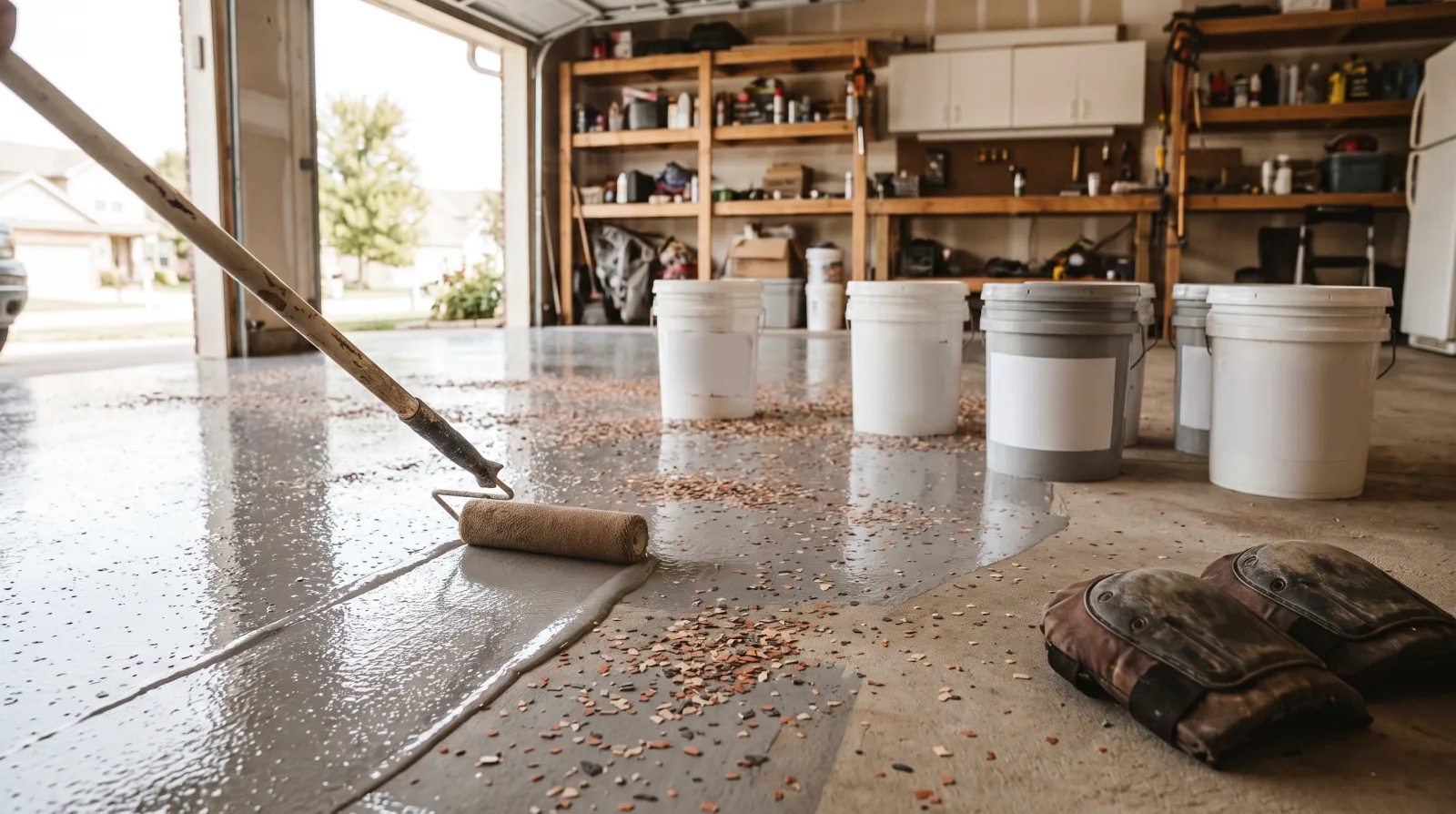
Most contractor marketing doesn't fail because the ads were bad. It fails because the pieces were never connected. Marketing for contractors works when it's one continuous path — someone finds you, decides you're the one, and reaches a human quickly — not a series of separate campaigns that each hand the customer off and hope.
We build that path for local businesses, and the same three leaks show up almost every time.
The path, in four steps
Every job you win goes through the same sequence, whether or not you designed it:
- They search. Google, the map pack, sometimes social or a neighbor's recommendation.
- They evaluate. Photos of real work, reviews, whether the business looks like it still exists.
- They reach out. A call, a form, a text.
- They hear back — or they don't. This is where most of the money is lost.
Marketing is usually sold as step 1. The jobs are usually lost at step 4.
Leak one: you're not in the map pack
For a contractor, the Google Business Profile is not a side asset. It is the storefront. Someone searching for epoxy garage floors or a pool cage rescreen sees three map results before they see a single website, and the profile decides whether you're one of them.
The unglamorous work matters here: the right primary category, services filled out, a service area that matches where you actually go, real photos of finished jobs added regularly, and hours that are accurate. None of it is clever. Most contractors have at least two of those wrong.
Reviews are the other half. Not just the star rating — the recency. A profile with forty reviews where the newest is from two years ago reads worse than one with twelve reviews from the last six months.
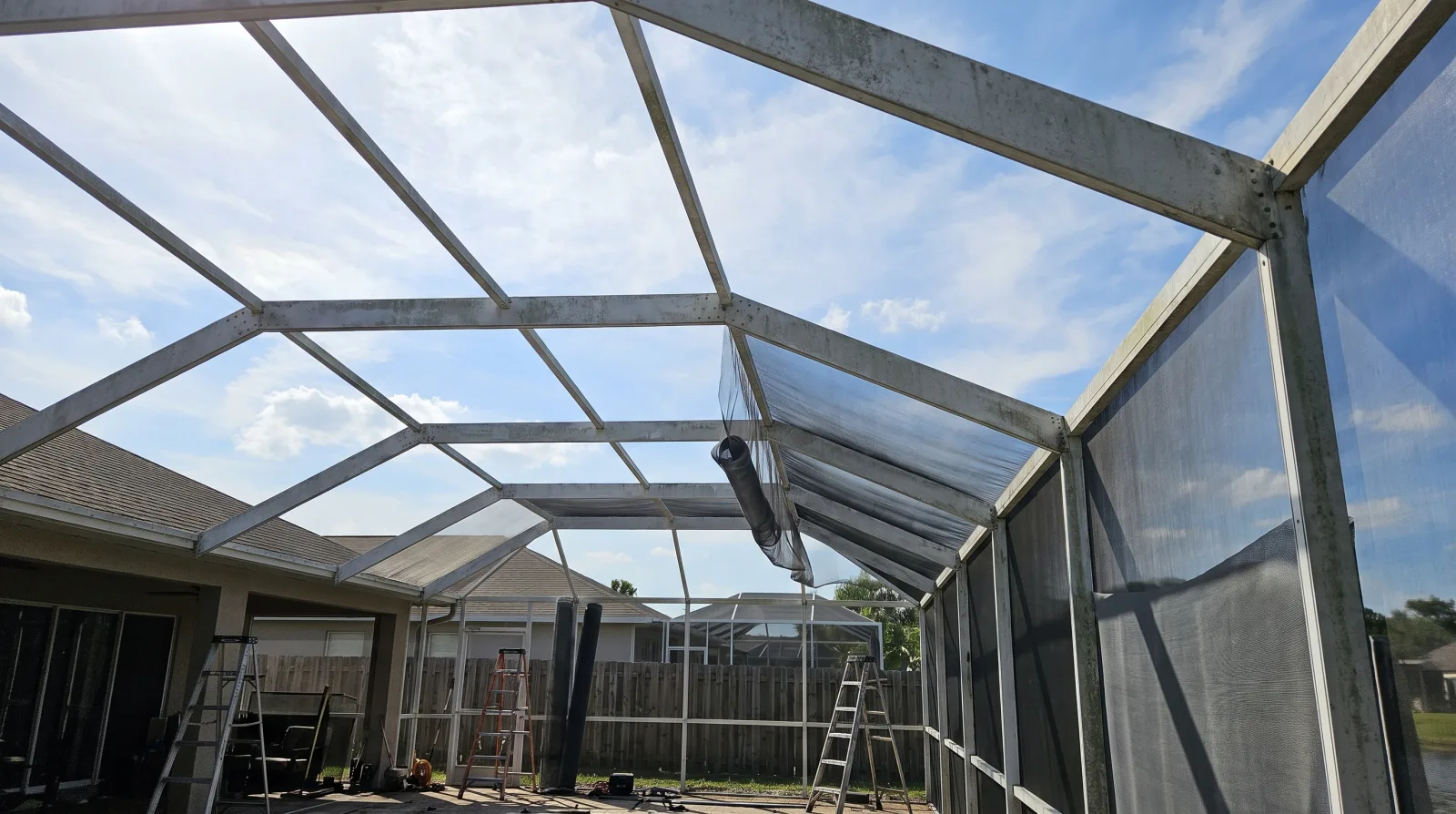 A screen enclosure mid-rebuild. The customer is buying the finished version of this — which is exactly why proof matters more than adjectives.
Leak two: the page doesn't help anyone decide
Traffic that lands on a page and leaves is the most expensive kind. It usually means the page answered the wrong question.
Someone considering an epoxy floor or a screen enclosure has a specific set of worries: what does this actually cost, how long will my garage or lanai be unusable, what does it look like when it's done, and will this person show up. A page that opens with "quality craftsmanship since 2009" answers none of them.
When we build demo pages for these trades — like the epoxy and pool cage builds we use to show contractors what this looks like — the structure that works is boring and consistent: the finished work first, the process second, the honest range on price and timeline third, and one obvious way to make contact that follows you down the page.
Leak three: nobody answered
This is the big one, and it's the cheapest to fix.
Contractors are on ladders, under houses, and in trucks. Calls get missed — that's not a character flaw, it's the job. But a homeowner who calls three contractors and reaches none of them books whichever one calls back first. Frequently that's it. That's the whole decision.
Missed-call text-back closes this: the call comes in, you can't take it, and an automatic text goes out within seconds saying you'll be right with them. The job stays warm long enough for you to get off the roof. It's the single change we've seen produce the most recovered work relative to what it costs, because it doesn't attract anything new — it stops you from losing what you already attracted.
The same applies to forms. A form submission sitting unanswered until tomorrow morning is, in practice, a lead you paid for and gave away.
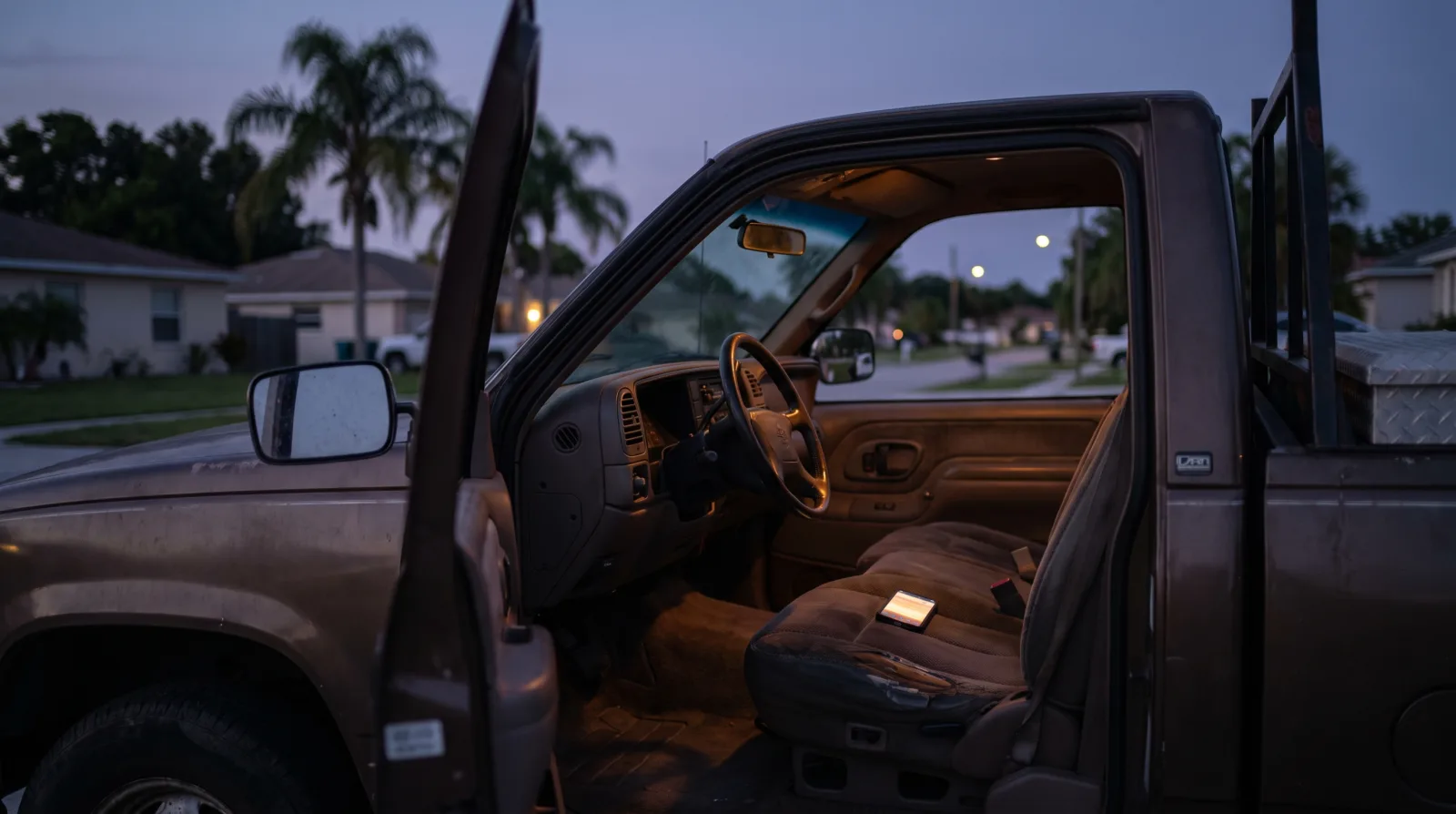 The most expensive moment in contractor marketing: a call arriving when nobody can pick it up.
Where video actually fits
Contractors sell something people can't evaluate in advance. They're buying a promise about how their garage or backyard will look in three weeks.
That's the honest case for video: not brand awareness, but proof. A ninety-second walkthrough of a finished epoxy floor — the prep, the flake broadcast, the finished surface with the light coming across it — does something a photo can't. It shows the work is real and the crew is competent.
Video is not the strategy. It's the evidence inside the strategy. Any marketing that leads with the film and skips the follow-up system is selling you the fun part.
What to do first
If you do these in order, each one makes the next one worth more:
- Fix answering. Missed-call text-back and a same-day rule on form replies.
- Fix the profile. Categories, services, service area, recent photos, a steady review habit.
- Fix the page. Finished work, honest price and timeline ranges, one clear way to contact.
- Then buy traffic. Ads into a path that converts are an investment. Ads into a leaking path are a donation.
Most contractors do this list backwards, starting with ads because that's what gets sold to them. Starting at the bottom is why marketing feels expensive and unaccountable.
The short version
Marketing for contractors isn't a campaign you run — it's a path you maintain. Get found in the map, help people decide with real proof, and answer fast enough to win the ones who already chose you. Do those three well and the ad budget starts doing what it's supposed to.
— Creatively Grow, Tampa Bay, FL
Common questions
- How much should a contractor spend on marketing?
- A common working range is 5–10% of revenue, higher if you're trying to grow rather than hold steady. But the percentage matters less than the sequence: fix response time and your Google Business Profile before you increase ad spend, because those two determine how much of the spend converts.
- Do contractors need a website if they have a Google Business Profile?
- Yes, but not a big one. The profile is what gets you found; the site is where someone decides. For most contractors a handful of pages — the work, the service area, proof, and one obvious way to make contact — outperforms a large site nobody finishes reading.
- Are paid lead services like Angi or Thumbtack worth it?
- They're rented demand. They can fill a slow month, but the lead is usually shared with competitors, you're competing on price, and you own nothing when you stop paying. Most contractors are better off treating them as a supplement while building owned channels underneath.
- How fast do I need to respond to a new inquiry?
- Minutes, not hours. Homeowners contacting a contractor are usually contacting several, and the first real response frequently wins the job regardless of price. Missed-call text-back exists specifically because a call you didn't answer is the most common place a job disappears.
- What's the single highest-return thing to fix first?
- Answering. Before ads, before a redesign, before content — make sure every call gets picked up or texted back within minutes, and that every form submission gets a real reply the same day. It costs the least and it recovers jobs you've already paid to attract.