
HVAC SEO: what ranks and what is a waste of money
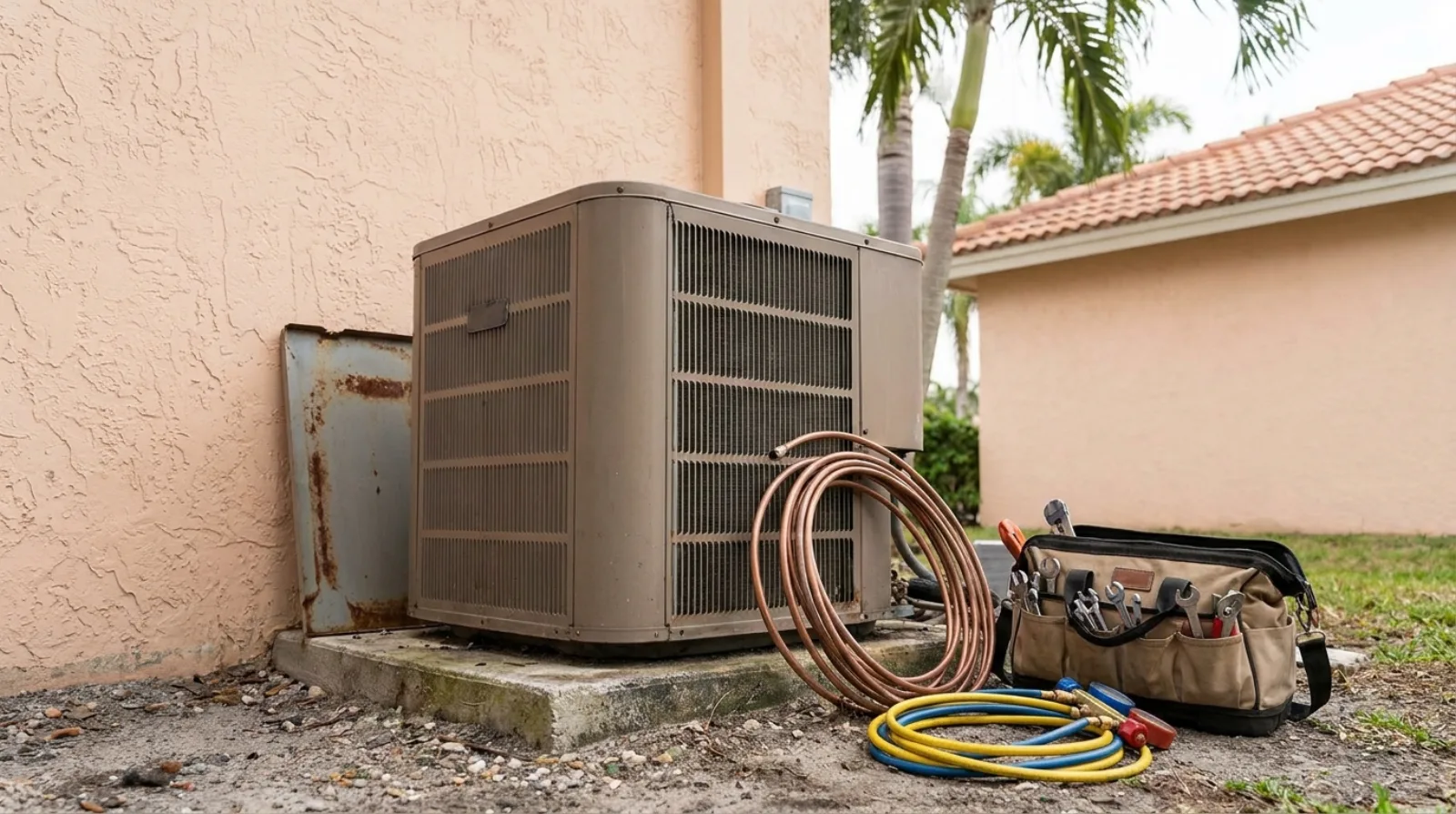
HVAC SEO works when it helps a local homeowner choose you
HVAC SEO is the work of making your company the clearest, most credible local answer when a homeowner needs heating or cooling help. That means useful service pages, an accurate Google Business Profile, honest reviews and local proof, and a response process that does not waste the call once it comes in. It is not a trick for getting a website to the top of Google.
Start with the search that creates a real decision
A homeowner searching for an HVAC company is not looking for an essay about “comfort solutions.” They usually have a problem, a deadline, or a decision they have put off. The system stopped cooling. A room never gets comfortable. A replacement is being considered before another season. They want to know whether you serve them, whether you handle that job, and whether calling you will lead somewhere useful.
Your SEO should reflect those moments. The important pages are not the ones with the most industry jargon. They are the pages that explain a specific service in plain language: repair, maintenance, replacement, indoor-air concerns, duct work, or the work your crew actually performs. Each page needs to make the fit clear without promising work you do not do.
This is the same basic discipline behind contractor SEO. One broad page trying to rank for every service, every city, and every customer type gives Google and the homeowner very little to work with. A focused page gives both a clearer answer.
The homepage cannot carry the whole job
Many HVAC sites make one page do everything. The homepage has a service list, a few badges, a stock family photo, and a button. It still leaves a homeowner who searched for a specific issue to figure out whether the company is relevant.
Give your important services their own pages. This does not mean spinning up thin pages with the same paragraph rearranged. It means writing the information a homeowner needs before they call:
- What problem or project the service addresses
- What your team will assess or do
- What a visit or estimate process generally looks like
- What kinds of systems, homes, or situations are a fit
- What information helps the office route the request correctly
A repair page can explain how you approach a system that is not cooling without diagnosing a unit through the page. A replacement page can explain how you assess the home and existing equipment without claiming every job gets the same answer. The point is to remove the uncertainty that sends someone back to the search results.
Use the language customers use, but do not force the target phrase into every sentence. “HVAC SEO” belongs in this article because owners search it. On your customer-facing pages, a homeowner may be looking for AC repair, furnace service, heat-pump replacement, or a company near them. Write for that actual intent.
Your Google Business Profile needs to agree with the site
Local search is a consistency test. Google needs a coherent picture of who you are, where you operate, and what you do. The homeowner needs that same picture in seconds.
Keep your business name, phone number, hours, website, service description, and service area accurate wherever they appear. Your Google Business Profile is not a separate marketing project from the site. It is part of the same path. If the profile says one thing, the website says another, and the person answering the phone cannot confirm either, the problem is not an SEO problem. It is an operations problem showing up in search.
Use the profile to support the claims you can stand behind. Choose relevant categories. Keep hours current. Add real project or team photos when you have permission and they accurately represent the work. Make sure the website link lands on a page that helps the person who clicked, rather than dropping every visitor onto a generic homepage.
Frequent posts, random updates, and a pile of keywords in the business description do not fix a weak offer or unclear service page. The profile should make it easier to verify a real company, not act like a billboard stuffed with phrases.
Reviews are proof, not a ranking hack
Reviews matter because a homeowner has to decide whom to trust before they know enough about HVAC to judge the work. A review can show that your office communicated, the technician explained the issue, the appointment process was straightforward, or the homeowner felt respected. Those details are more useful than a vague flood of praise.
Build a simple review request into the completed-job process. Ask after the customer has had a chance to understand the outcome. Make the request easy to find. Do not pressure people, offer anything in exchange, or write the review for them. A manufactured review program creates a bigger problem than it solves.
The rest of the path has to hold up too. A homeowner who sees a strong review and then reaches a dead form, an unanswered call, or a page that does not match the service they searched for will not care how polished the profile looked.
For a practical look at treating reviews as a normal part of service rather than an awkward favor, see how to get more Google reviews without being weird.
Stop making copied city pages
City pages are one of the easiest ways to spend time without improving HVAC SEO. The usual version is a template with a city name inserted into the headline, the title tag, and a few sentences. There is no local detail, no reason that service needs a page there, and no evidence the company has anything meaningful to say about the area.
You do not need to pretend every nearby city is its own market if your company cannot support that claim. Start with the places you genuinely serve. If a location page is warranted, make it useful. Mention the work you offer there, the kinds of homes or service conditions you regularly encounter, the area you cover, and the right next step for that visitor. Keep it honest.
The same rule applies to project proof. An epoxy floor company might use a real garage project to explain surface preparation, coating choices, and scheduling around a homeowner’s use of the space. A pool cage or screen enclosure contractor might explain a rescreen, repair, or enclosure decision in the context of the property. That is useful specificity. It is not a template wearing a different ZIP code.
Creatively Grow’s epoxy and pool-cage pages are demo builds, not client case studies. They are useful examples of how a trade page can organize an offer and proof; they are not proof that a job was delivered.
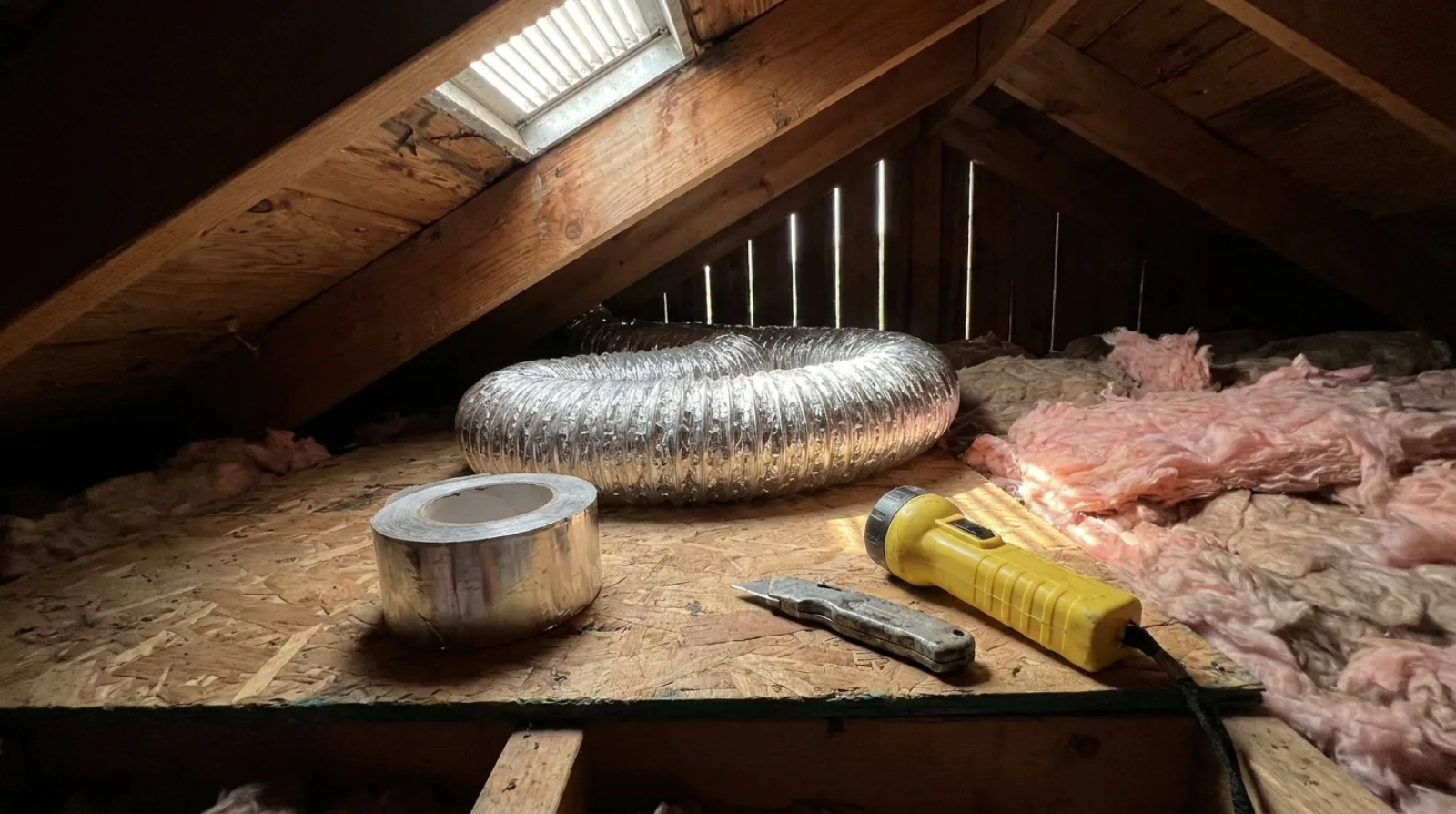 Most of what a homeowner is buying happens out of sight, so the proof you show has to explain it.
Local proof should answer “why this company?”
SEO gets described as a traffic problem because traffic is easy to count. Your harder problem is that local service searches often put several plausible companies in front of the homeowner at once. The site has to help them see why your company is a fit.
Useful proof can include clear descriptions of your process, approved photos of actual work, service-specific explanations, team information, and reviews that reflect real interactions. A short brand-story film can help a homeowner understand who is entering their house, but it is only one piece of the system. It cannot replace accurate service information, local presence, or fast follow-up.
Be careful with claims. Do not write “best,” “most trusted,” or “fastest” unless you can support exactly what that means. Do not make every page sound like an emergency page if you also want planned replacement work. The homeowner searching for a system replacement is making a different decision from the one standing in a hot house with a failed unit. Give each person a relevant path.
 The search ends when the house is comfortable, so the follow-up has to be part of the same path.
The call handling is part of SEO, whether you like it or not
Search can create the call. It cannot make the office answer it well.
When a local homeowner finds the right page, clicks the number, and reaches voicemail during a time-sensitive problem, your marketing system has a gap. A missed-call text-back can acknowledge the call and give the person a next step while the team gets back to them. It is a practical way to keep a real inquiry from disappearing because nobody could answer that moment.
The follow-up needs to match the page that started the conversation. If someone asked about a replacement estimate, do not send them a generic message about tune-ups. If they requested repair, collect the basic information needed to route the call without making them repeat themselves. The handoff from search result to office should feel like one company, not separate tools glued together.
This is why home improvement leads that don't go cold matters to HVAC owners too. Getting found is only the first handoff. The system after the click determines whether that attention becomes a real conversation.
What is usually a waste of money
The waste is rarely “SEO” as a category. It is paying for activity that does not improve how a homeowner finds, understands, or contacts you.
Be skeptical of a vendor that promises a position, sells identical city pages, or will not explain what it is changing and why. Be skeptical of blog posts written only to hit a word count, directory listings nobody maintains, and reports full of charts that never connect to calls or qualified requests. Those things can create the appearance of work while leaving the customer path untouched.
A useful HVAC SEO program is less glamorous. It fixes the service pages that matter. It keeps local business information clean. It gathers honest proof. It makes reviews easier to earn. It watches where inquiries break down. Then it improves the next weak link.
That is also why owning your path matters more than renting every lead. Paid lead sources may have a place when you need coverage, but they are not a substitute for a site, profile, and follow-up system your company controls. Contractor leads: buying them vs. building them explains that tradeoff without pretending either option is automatically wrong.
Build the path before you chase the report
The right question is not “How many keywords can we add?” It is “Can a nearby homeowner with a real HVAC need understand us, trust us, and reach the right person without friction?”
Start there. Make your core services clear. Make your local presence match the work you actually do. Use real proof. Answer the call or acknowledge it quickly. Then measure the parts of the path you can improve instead of buying a prettier report.
That is HVAC SEO that supports the business instead of becoming another monthly expense nobody can explain.
— Creatively Grow, Tampa Bay, FL
Common questions
- What is HVAC SEO?
- HVAC SEO is the work of making it easier for nearby homeowners to find and trust your company in search. It includes clear service pages, an accurate Google Business Profile, useful proof, consistent business information, reviews, and a site that works when someone needs help now.
- How long does HVAC SEO take?
- There is no honest fixed timeline. Search visibility depends on the local competition, your existing site, the quality of your service information, and whether your business has credible proof. Start by fixing the path a homeowner sees now, then keep adding useful local evidence instead of chasing shortcuts.
- Should an HVAC company create a page for every city?
- Only create a location page when it says something useful about serving that place. A copied page that swaps one city name for another does not help a homeowner choose. Build pages around real service areas, actual work, local constraints, and the services you can reliably deliver there.
- Do HVAC reviews help SEO?
- Reviews help a homeowner assess whether to call, and they give your local presence real evidence. Ask for them after completed work through a simple, respectful process. Do not script fake reviews or treat a review request as a substitute for a useful site and responsive office.