
Pest control marketing works when the next visit is built into the first one
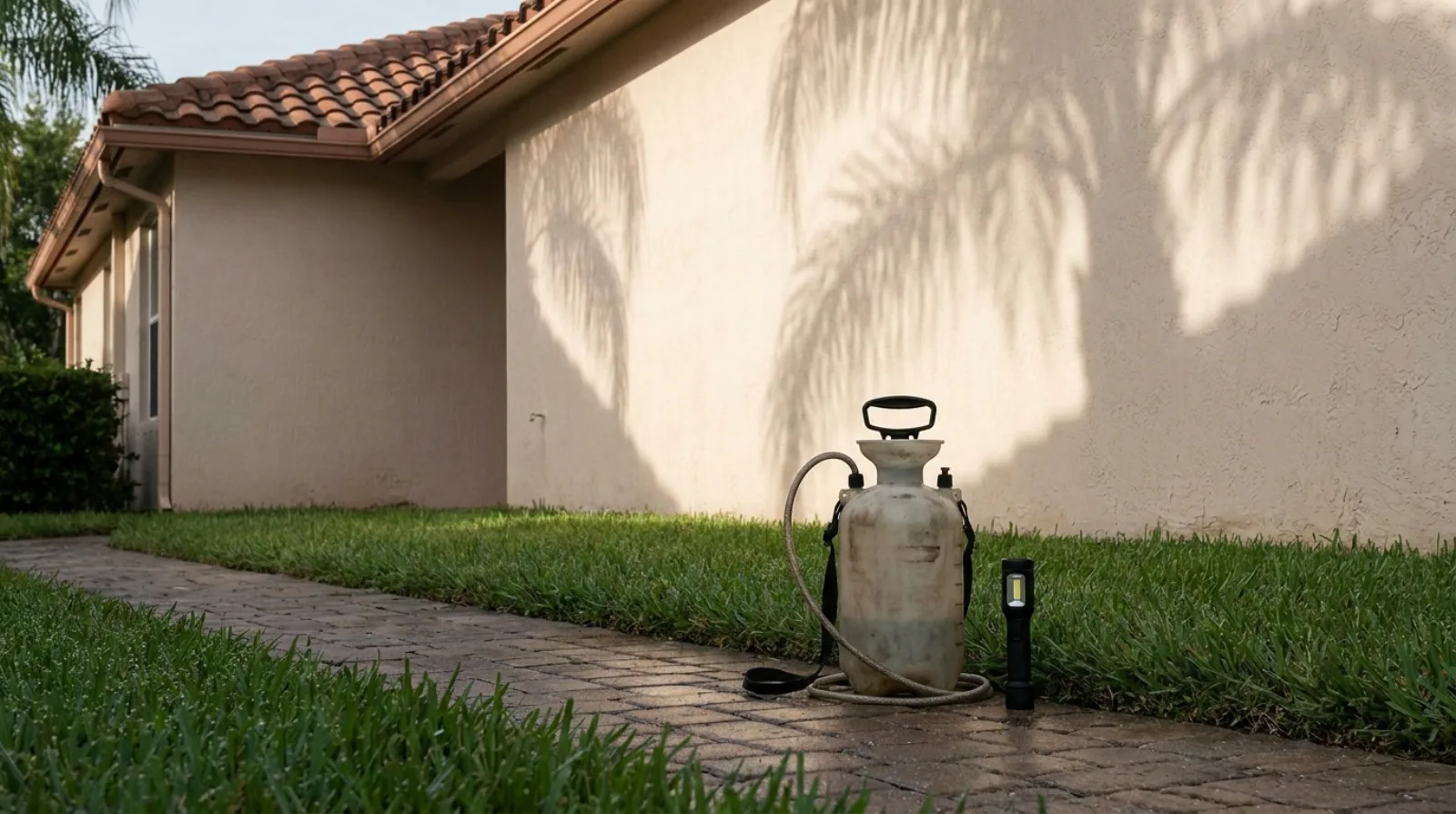
Pest control marketing works when the next visit is built into the first one
Pest control marketing works when every first-service lead enters a clear path to recurring care, not when you keep buying another batch of one-time calls. Show local homeowners what happens next, answer the phone fast, document good service, and make the ongoing plan feel like the sensible way to stay protected.
A homeowner searching for pest control usually has a live problem. Ants are on the counter. Roaches showed up after a tenant moved out. Mosquitoes are making the yard unusable. They are not looking for a clever campaign. They want to know who will come out, what will happen at the property, and whether they will be dealing with the same issue again next month.
That is why pest control marketing is not just lead generation. You need a path that carries a person from an urgent search to a completed service, then from a completed service to a relationship they understand. If each step tells a different story, you will keep spending to replace customers who could have stayed.
Start with the job the homeowner is trying to solve
“Pest control” is a broad label. The actual search and the actual call are usually narrower. A homeowner may need a general inspection, a treatment for a specific pest, recurring exterior service, or help deciding whether an issue needs attention at all.
Your pages and your intake should reflect that distinction. A page for a homeowner worried about roaches should not read like a generic company brochure. It should explain what they can expect before the technician arrives, what the technician will look for, what the service may involve, and how follow-up is handled. Do the same for the services you truly offer.
This does not require a separate website for every insect. It requires plain language and useful routing. A visitor should be able to tell, without decoding marketing copy:
- whether you serve their area;
- whether you handle the problem they described;
- how they can contact you right now;
- what information will help you prepare for the visit; and
- what ongoing care looks like if that is appropriate.
A concrete coating contractor has a similar issue. Someone looking at an epoxy garage floor may be comparing durability, preparation, and scheduling, while someone with a damaged commercial floor may be focused on downtime. The company that forces both people through one vague message makes the decision harder. Pest control companies do the same thing when every need lands on a page that only says “we eliminate pests.”
Make local search the front door, not the whole building
Local search matters because homeowners often begin there. Your Google Business Profile, service-area information, reviews, and pages must agree about who you are and where you work. But showing up is only the beginning.
A listing can get the call. It cannot fully explain your treatment process, show how you communicate after service, or make a recurring plan easy to understand. Send people to a page you control whenever the search path allows it. Keep the business name, phone number, hours, service areas, and service descriptions consistent across that path.
The basics are unglamorous, which is why they get skipped. Check that the person answering the phone knows which services are offered and how appointments are handled. Check that a web form reaches a real person. Check that the confirmation message does not leave the homeowner wondering whether anyone saw it. A marketing system breaks at the handoff, not just in the ad account or search result.
For a deeper look at the search side, read Contractor SEO: The Parts That Actually Move the Phone. The principle applies here: create clear local evidence and useful pages instead of chasing tricks that do not help the caller.
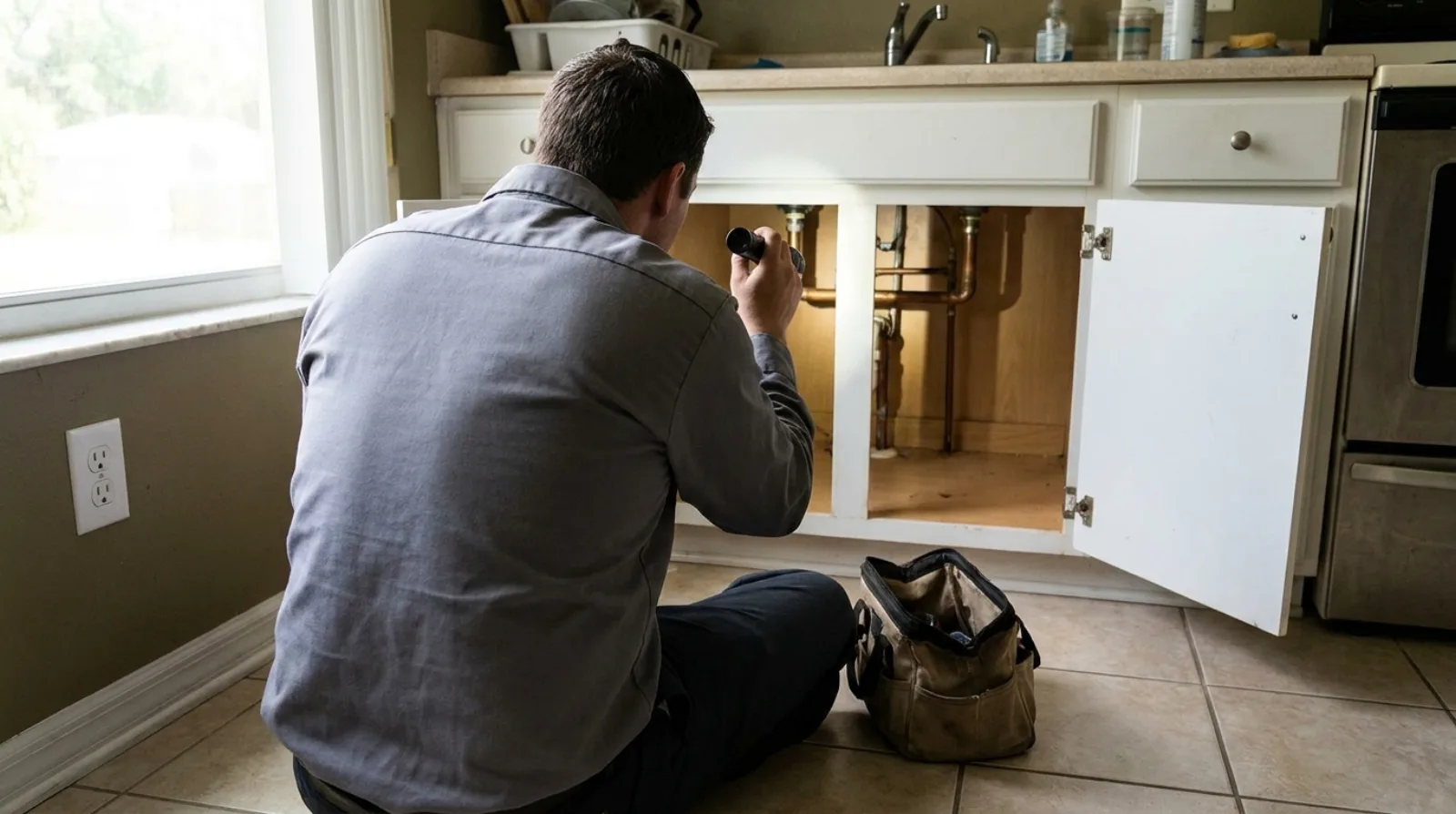
The first visit is where recurring care becomes believable: the technician finds something real and explains it in plain words.
Your first-service offer needs to earn the second visit
The first visit is the point where a recurring plan becomes believable. Do not treat it as a sales trap. Treat it as the moment you explain the condition of the property and the practical choices in front of the homeowner.
Before the visit, set expectations. Tell the customer what access may be needed, what they may need to move or secure, and what questions are worth having ready. During the service, the technician should be able to explain the finding in regular words. Afterward, the customer should know what was done, what changes they may notice, and what to do if the problem persists.
Then explain ongoing service as maintenance of the result, not a mysterious subscription. Be specific about the service cadence you offer, covered areas, communication, and the process for a new concern. If an option has limits, say so. Clear boundaries build more trust than a broad promise you cannot keep.
Pool cage and screen enclosure work offers a useful comparison. A homeowner does not just buy mesh; they are trying to make an outdoor space usable again. The contractor who explains the inspection, materials, repair scope, and care afterward is easier to choose than one who only quotes a square-foot figure. In pest control, the service details are the proof that recurring care has a purpose.
Follow up while the service is still real to them
Most businesses think follow-up means a promotional email later. That is not the important part. The useful follow-up begins after the service, while the customer remembers the technician’s explanation and can still ask a straightforward question.
Send a plain summary of what happened. Include the next scheduled step if they enrolled in ongoing service. Give them one simple way to report a new issue. If they did not choose a plan, follow up in a way that refers to their actual service rather than dropping them into a generic newsletter.
This is also where missed calls cost you twice. A person who cannot reach you may call a competitor. An existing customer who cannot reach you when they see a problem may decide the plan is not worth keeping. A fast, honest text-back process gives people a next step when the team is in the field. It is operational work, but operations are marketing once the phone rings.
Home improvement leads that don't go cold covers the same handoff problem from the lead side. The lesson is simple: interest decays when nobody owns the next move.
Ask for reviews that answer the next customer’s questions
A five-star rating is useful, but the words around it do more work. A future customer wants evidence that your company showed up, explained the service, worked respectfully around the home, and responded when something needed attention.
Build a repeatable review request into your service process. Ask at a moment when the customer has received real value, not before. Make the request direct and easy. Do not script a fake experience or pressure someone who is unhappy. If there is an unresolved issue, solve that issue first.
Review patterns also give you material for your site and internal training. If customers repeatedly praise a technician’s explanation, that tells you what your sales pages should promise and what new technicians need to protect. If reviews mention confusion about scheduling, that is not a content problem. It is a process problem.
For the mechanics of making review requests normal instead of awkward, see How to get more Google reviews without being weird.
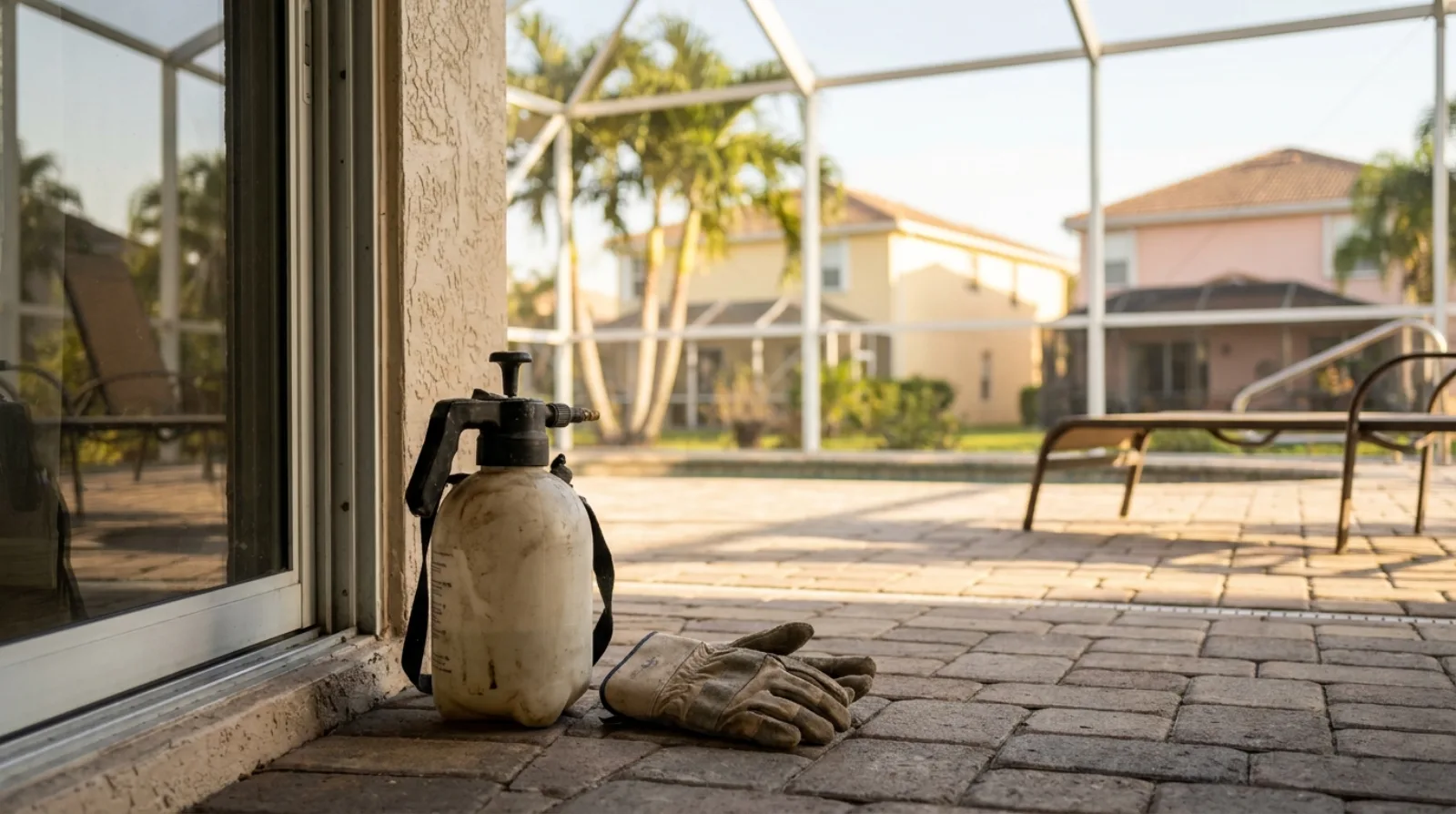
Recurring service is a string of ordinary visits. Each one is a chance to show the plan is worth keeping.
Stop treating rented leads like the business
Lead platforms can be useful when you understand what you are buying: an introduction, not an owned customer relationship. The platform sets the rules. Its pricing and availability can change. The homeowner may be sent to more than one company. You can use that source without letting it become your whole plan.
Build assets that remain yours alongside it: a site that explains your services, local pages with honest information, a review process, service documentation, and a customer follow-up process. These pieces reinforce each other. A strong review helps the next local searcher. A clear page makes the call more qualified. A handled follow-up gives the customer a reason to stay.
That approach is slower to build than flipping on a lead source, but it gives you something to improve instead of a monthly invoice you have to keep feeding. Contractor leads: buying them vs. building them lays out the difference between a rented demand source and a path you control.
Give the team one version of the promise
Marketing falls apart when the website says one thing, the phone answer says another, and the technician has to improvise the rest. Write down the basic promise your company can actually keep. It might include the service area, the way appointments are confirmed, the inspection approach, how treatment is explained, and how customers get help afterward.
Use that promise in the places that matter: the local listing, the main service pages, the intake script, appointment messages, and post-service follow-up. You do not need polished language everywhere. You need consistency.
A short brand story can help here, especially for a company that has a real reason for how it treats customers. But it is not the whole system. The story should make the operating promise more credible, then the page, review, phone response, and service experience need to carry it through.
The better pest control marketing question
Do not ask only, “How do we get more leads?” Ask, “What happens to a homeowner from the first search through the next service?” Map the path honestly. Find where the person has to wait, guess, repeat themselves, or chase an answer. Fix that before adding another channel.
The recurring customer is won in the ordinary moments: a clear page, a returned call, a technician who explains the work, a service summary, and a plan that makes sense. That is not flashy. It is exactly why it works.
— Creatively Grow, Tampa Bay, FL
Common questions
- What is the most useful marketing channel for a pest control company?
- Use the channel that brings a local homeowner to a page you control, then make the next step obvious. Local search can start the conversation, but the page, phone response, service explanation, and recurring-plan follow-up determine whether it becomes a customer you keep.
- How should a pest control company market recurring plans?
- Explain the plan at the moment the homeowner understands the problem: after the inspection or first treatment. State what ongoing service covers, how scheduling works, and who to call with a new issue. The message should solve uncertainty, not push a discount.
- Do pest control reviews help get recurring customers?
- Yes, when reviews describe the parts a new homeowner worries about: showing up, explaining the treatment, respecting the property, and handling a problem after the first visit. Ask after a real service moment, then make leaving the review easy.
- Should a pest control company buy leads?
- Purchased leads can fill a gap, but they do not replace an owned customer path. A lead reseller controls the rules and can put the same request in front of other companies. Build local visibility, a useful site, and follow-up alongside any lead source you use.