
Remodeling Marketing: Where the Good Jobs Come From
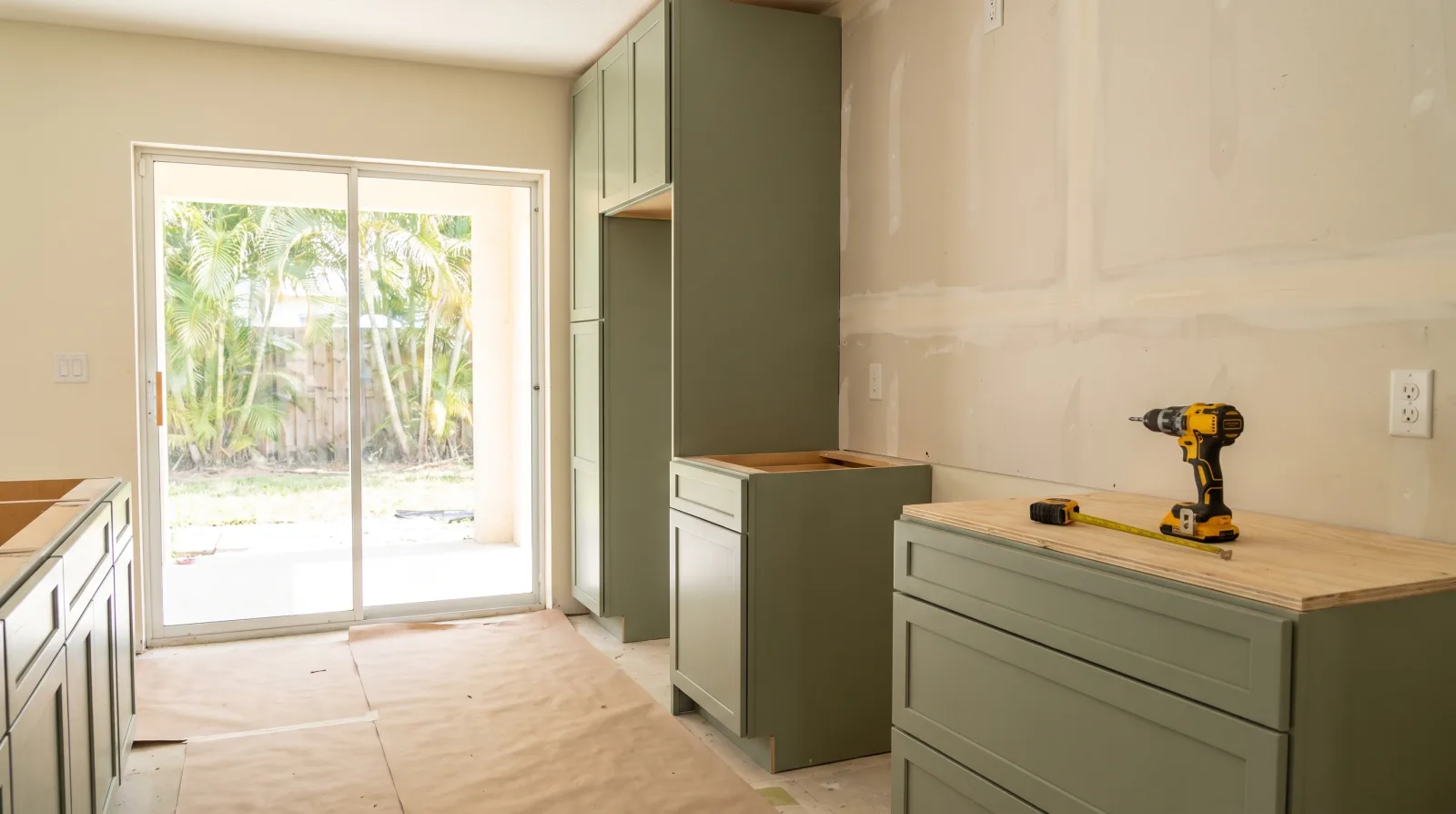
Remodeling doesn't behave like the rest of the trades. The jobs are large, the decision takes weeks or months, and the customer is inviting you to live in their house for a while. Marketing a remodeling business is less about generating more leads and more about being visible, credible, and patient across a long decision — because the job usually goes to whoever stayed useful the longest, not whoever showed up first.
That changes what's worth doing.
The problem is rarely lead volume
Most remodelers who say they need marketing actually have a different problem underneath:
- Leads arrive, but they're price shoppers
- Good prospects go quiet and never come back
- The calendar is full of small jobs that don't pay
- Work is feast or famine by season
None of those are fixed by more leads. Two of them get worse with more leads. Turning up volume on a funnel that attracts the wrong buyer just gives you more people to say no to.
The question worth asking isn't "how do I get more leads." It's "why do the good ones not close."
Proof is the product
Someone considering a $60,000 kitchen is doing one thing above all: trying to picture their own house finished, done by you, without it going badly.
Everything that helps them do that is marketing. Everything that doesn't is decoration.
What actually helps:
Full project stories, not galleries. A grid of finished photos is fine. A project story is better — what the space was, what the homeowner wanted, what you found when you opened the wall, what you did about it, what it looks like now. The problem-you-found part is the most persuasive thing on the page, because every homeowner is quietly afraid of exactly that moment.
Real materials and real specifics. Naming the actual tile, the actual cabinet line, the actual timeline reads as someone who did the work. Vague language reads as stock photos.
Video walkthroughs. Ninety seconds moving through a finished space does something stills can't — it shows scale, flow, and light. For remodeling specifically, this is the highest-value video you can make, because it's closest to the experience the buyer is imagining.
Process, written down. How a job actually runs: what happens first, how long each phase takes, how you communicate, what happens when something unexpected turns up. Remodeling buyers are more afraid of chaos than of cost.
 The decision happens here, weeks before anyone signs anything.
Price ranges filter better than they scare
The instinct is to hide price so you can get on a call. It usually backfires — you end up spending your week qualifying people who were never in range.
Publishing an honest range does two useful things. It removes people who were never going to hire you, before they cost you an hour. And it signals confidence, which matters to the exact buyer you want.
You don't need exact numbers. "Most full bath remodels we do land between X and Y depending on layout changes and fixture selection" is enough. It's honest, it's useful, and it's more than most competitors will say.
 What the customer is actually trying to picture.
Follow-up is where remodelers lose
A long sales cycle means most of your prospects are, right now, somewhere in the middle of deciding. They're not ready. They're also not gone.
Most remodelers treat those people as dead. They quoted, heard nothing, moved on. Meanwhile the homeowner is still browsing, still comparing, and will hire someone in about six weeks.
Two things fix a large share of this:
Answer immediately. Not same-day — immediately. Someone filling out a form at 9pm should hear something within minutes, even automated. Missed calls should trigger a text before the caller has finished dialing the next contractor.
Stay useful during the gap. Not "just checking in." Send the thing that helps them decide: a similar finished project, a straight answer about the permit timeline, a note about lead times on the material they liked. Being useful for six weeks is what wins a job that was never going to close on day one.
Seasonality is a planning problem
Most remodeling markets have rhythm — in Florida, interior work shifts around the summer heat and the storm season, and outdoor living projects like pool cages and decks cluster differently than kitchens.
The mistake is marketing hardest during the busy season, when you're already booked, and going quiet in the slow one. Given a decision cycle measured in weeks, the marketing that fills your slow season has to run before it. Work backwards from when you want the calendar full.
Where the small stuff fits
Small jobs aren't automatically bad. They're bad when they crowd out big ones, and useful when they feed them.
If you take small work, be deliberate: it's a way into a relationship with a homeowner who will remodel something larger later, and it's a source of reviews at a much faster rate than large projects. Just don't let it become the business by accident because it's what your marketing attracts.
The short list
- Fix response time. Immediate, automated if needed. This recovers jobs you already paid to attract.
- Build real proof. Full project stories with the problems included, and video walkthroughs of finished spaces.
- Publish ranges. Filter early instead of qualifying on the phone.
- Follow up for weeks, usefully. The cycle is long; your patience should match it.
- Market ahead of your slow season, not during your busy one.
Most of this is unglamorous, and none of it requires a bigger ad budget. It requires deciding that the job of your marketing is to help a nervous homeowner picture the finished thing — and then answering the phone when they're ready.
For the underlying system this fits into, see marketing for contractors and contractor SEO.
— Creatively Grow, Tampa Bay, FL
Common questions
- How do remodelers get high-end clients?
- Mostly through proof and patience. High-end buyers research longer, look at more finished work, and care more about process and communication than price. Detailed project galleries, video walkthroughs, and clear explanations of how a job runs do more than discounts, which actively repel that buyer.
- Should a remodeler advertise prices?
- Ranges, yes. Exact prices, no. Publishing a realistic range filters out people who were never going to hire you and builds trust with the ones who will. Hiding price entirely means your first conversation is a qualification call instead of a sales conversation.
- How long is the sales cycle for remodeling?
- Frequently weeks to months from first search to signed contract, and longer for large projects. This is why follow-up matters more than lead volume — most remodelers lose jobs by going quiet during the consideration window, not by failing to generate interest.
- Are lead services worth it for remodelers?
- They can fill a slow season, but the leads are usually shared with competitors and shopped on price — the opposite of the buyer most remodelers want. Treat them as a supplement to owned channels, never the foundation.
- What marketing works best for kitchen and bath remodels?
- Finished-work proof, in volume and in detail. That buyer is trying to picture their own house. Full project stories — before, during, after, with real materials named — outperform generic service pages by a wide margin.