
Chiropractic marketing that brings back patients, not just new ones
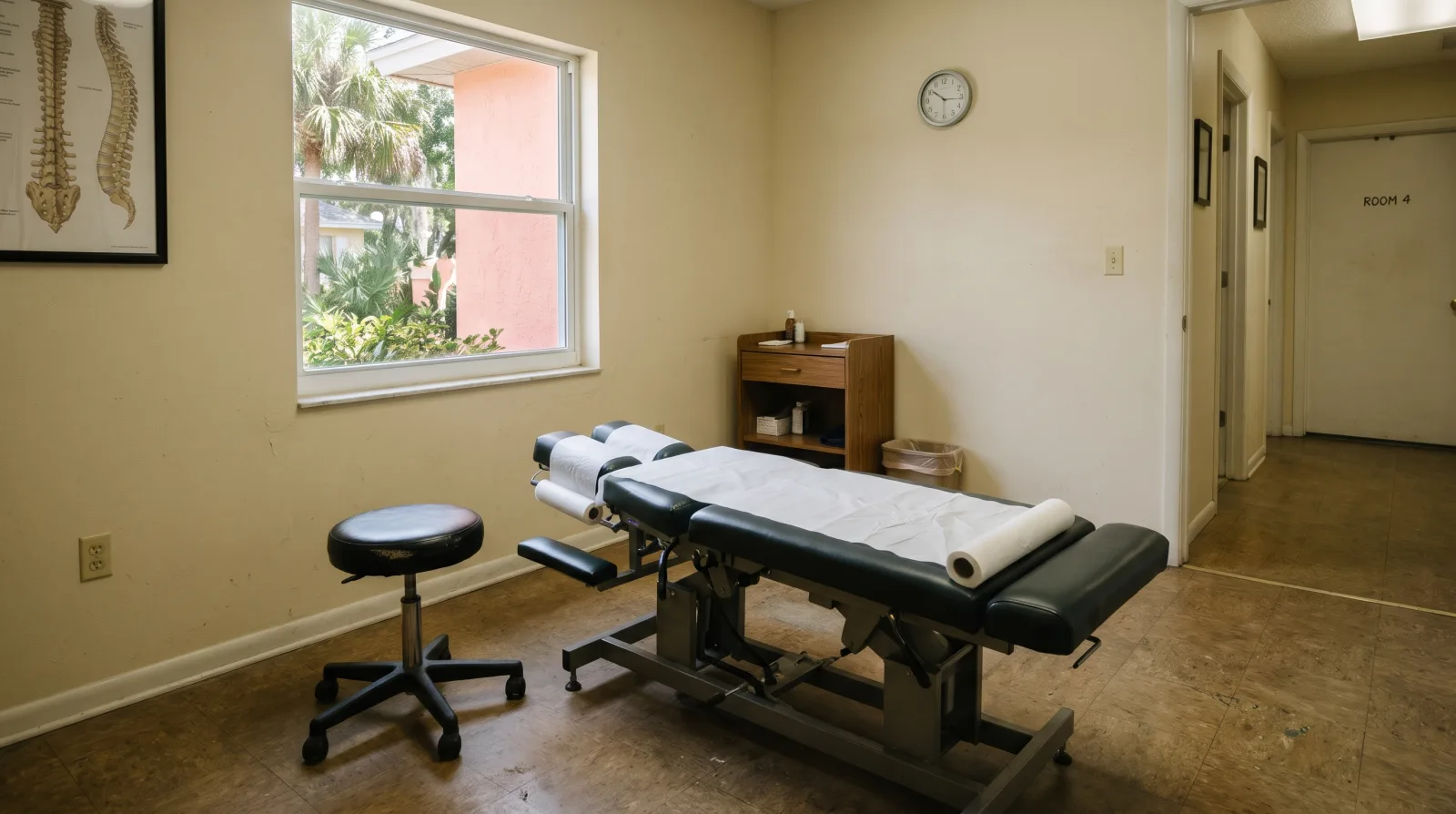
Chiropractic marketing that brings back patients, not just new ones
Chiropractic marketing works when a local person can find your practice, understand what the first step is, reach a real person, and leave with a clear next step. The goal is not more vague attention. It is a reliable path from local search to an attended visit, and an easier return when appropriate.
A lot of practice marketing stops at the first click. Someone searches, sees an ad or Google listing, calls, and the report says the campaign worked. But the patient experience begins before the call is answered and continues after the visit. If that path is broken, more leads just create more missed opportunities.
This is not a clinical playbook. It is the operational side of being easy to choose and easy to reach.
Start with the path a new patient actually takes
Picture a local person whose back is bothering them after work. They search on their phone, compare the map results, scan a few reviews, look at office hours, and decide whether the practice feels credible enough to call or book. They are not grading your marketing funnel. They are trying to make a simple decision while busy or uncomfortable.
Your job is to remove uncertainty at each handoff:
- Can they find the correct practice name, phone number, hours, and location?
- Can they understand what happens when they call or book?
- Does someone respond while they are still trying to solve the problem?
- Does the front desk carry the same clear message the website promised?
- Is the next administrative step obvious after the visit?
That is the system. Your website, Google Business Profile, reviews, front desk, and follow-up should agree with each other. A slick campaign cannot compensate for a confusing office phone line or a booking page that sends someone into a dead end.
Make your Google Business Profile do the basic work
For many local searches, your Google Business Profile is the first real page a prospective patient sees. Treat it like a front desk window, not a directory listing you set up once and forget.
Check the basics on a regular cadence: practice name, main phone number, address, office hours, holiday changes, website link, categories, and appointment link if you use one. Make sure the person answering the phone knows where that link leads and what a patient sees there. A mismatch between listed hours and the real front-desk schedule creates distrust before anyone has met you.
Then look at the questions a searcher has before they call. Do your website and profile make the office feel understandable? Can they see who they will speak with, how to request an appointment, and what practical information to bring? A short brand-story film can help show the people and place behind the listing, but it is one proof tool inside the system, not the system itself.
Be careful with healthcare marketing materials. Do not use identifiable patient photos, stories, recordings, or testimonials without the right written permission. HIPAA can apply to the way you handle patient information in reviews, texts, call recordings, and other communications. Have your practice's privacy and compliance guidance shape the process instead of treating marketing software as an exception.
Give the website one job at a time
A practice website often tries to explain every service, condition, credential, and promotion on the first screen. That makes an already cautious visitor work too hard.
A page intended for a local searcher needs a simpler job: establish what the practice is, answer the immediate logistical questions, and give one clear next action. That action may be calling the office or requesting an appointment. It should not be a scavenger hunt through a menu, a generic contact form with no response expectation, and three competing buttons.
Put the operational details where people need them:
- the main phone number in a tappable format on mobile;
- current office hours and location details;
- a plain description of how to request an appointment;
- what a first-time visitor should expect administratively;
- a clear way to ask a non-clinical question.
Avoid turning marketing copy into treatment advice or promises about results. You do not need exaggerated claims to sound useful. Plain language about the practice, the team, and the scheduling experience is more believable and less likely to create a mismatch with the actual visit.
The same principle appears in other call-driven businesses. In home service marketing, the point is not to be present on every channel. It is to make each channel lead to the same next step. A chiropractic practice has different privacy obligations and a different patient relationship, but the handoff problem is the same: attention is wasted when nobody owns what happens next.
Treat the phone line as part of your marketing
A missed call is not just an office inconvenience. It is a person who was ready enough to act and did not get an answer. The fix is not necessarily adding more software. First, map what really happens during lunch, while the desk is helping someone in person, after hours, and when the team is already on another call.
Decide who owns each situation. If the practice uses a missed-call text-back workflow, keep it limited to an appropriate administrative message and make sure the workflow fits the practice's HIPAA and privacy requirements. Do not put protected health information into a casual text sequence. Give staff a script for moving a conversation to the correct, secure channel when details about care are involved.
Speed matters because a person calling several local practices is comparing responsiveness as much as websites. But speed without clarity is not helpful. A front-desk response should make the next administrative step easy: whether someone can schedule, when they can expect a return call, and what information the office needs before confirming anything.
Listen for the common failure points. Are callers asking the same basic question because the website hides it? Are voicemail messages reaching a shared inbox nobody checks? Are online requests being treated differently from phone calls? The answer is usually a process change, not another marketing campaign.
 Every new patient starts at this counter or on this phone line.
Reviews are proof, not a shortcut
Reviews help a prospective patient decide whether a practice feels established and responsive. They are not something to force, script, or harvest from only the happiest people. Build a respectful request into a normal administrative workflow, with staff who understand when and how to ask.
Do not offer care, discounts, or special treatment in exchange for a review. Do not use a patient's name or situation in a public reply. And do not copy a glowing review onto your site as a testimonial unless you have the necessary written permission and have considered the privacy implications.
A practical approach is to make the ask simple after an appropriate point in the patient relationship: explain that an honest review helps local people find the practice, provide the correct link, and leave the choice entirely with the patient. Then keep an internal process for monitoring and routing feedback. A negative review may reveal an issue with scheduling, wait-time communication, billing questions, or the front-desk handoff. Public argument rarely fixes any of those.
For the mechanics of a respectful request and response process, see how to get more Google reviews. Apply that general workflow with healthcare-specific privacy guardrails, not as a copy-and-paste review machine.
 What the front desk promised and what the waiting room feels like should match.
Make the return path visible without making promises
The title of this post is about bringing patients back, but that does not mean pushing care or making outcome claims. Clinical recommendations belong with the licensed professionals and the individual patient. Marketing's role is narrower: reduce the administrative friction that makes a person disappear when they did intend to continue a relationship with the practice.
That can mean a clear scheduling process, a front desk that follows through on requested callbacks, appointment reminders handled through an appropriate compliant workflow, and consistent explanations of whom to contact for non-clinical questions. It also means noticing where the experience becomes unclear. A person who leaves unsure how to schedule another visit may not call again, even if they had a positive interaction.
Keep the handoff human. The person at the desk should not have to improvise the practice's promises. The website should not create expectations the office cannot meet. And no automated message should pretend it can answer questions that require clinical judgment.
Measure the handoffs, not vanity activity
You do not need a dashboard full of invented certainty. Start with a small operational review of the path you can actually observe:
- Are calls being answered, returned, or lost?
- Are booking requests reaching the right person?
- Do the office hours and response expectations match what is posted online?
- What questions repeatedly delay scheduling?
- Which source pages create calls or requests that the team can handle well?
Review the answers with the people who work the front desk, not only the person buying marketing. They will tell you where callers hesitate, when the line is overloaded, and what visitors expected based on the website. That is where the useful improvements are.
A connected growth system is less exciting than a new campaign and more valuable than random activity. Proof makes a practice easier to trust. A clear local listing and landing page capture the person who is ready to act. A reliable response process prevents that interest from going cold. Then the actual office experience has a chance to do its job.
— Creatively Grow, Tampa Bay, FL
Common questions
- What should a chiropractic practice market first?
- Start with the path a local person takes from finding you to booking. Make your Google Business Profile accurate, give your site one clear booking or call path, explain what a first visit is like, and make sure the front desk can respond when the phone rings.
- Can chiropractors ask patients for Google reviews?
- They can ask in a respectful, consistent way, but the practice should set its own compliant process. Do not pressure patients, tie care to a review, or publish identifiable stories without written permission. Review requests, texting, and any response workflow should be reviewed for applicable HIPAA obligations.
- Why are new-patient leads not enough for chiropractic marketing?
- A lead only matters if the person reaches the front desk, understands the next step, attends the appointment, and has a clear reason to return when appropriate. If calls go unanswered or the visit handoff is unclear, buying more attention simply sends more people into the same leak.
- Should a chiropractic practice use video in its marketing?
- It can help when it answers a practical question, such as who will greet a new visitor, what the office feels like, or how scheduling works. It is not a substitute for accurate local listings, a usable booking path, prompt follow-up, and a good in-office experience.